


What Is a Coolant Flush & When Do You Need One?
Routine maintenance tends to follow a familiar rhythm — oil changes, tire rotations, brake inspections. But a coolant flush often gets overlooked until the consequences make it impossible to ignore. At C. Harper Cadillac in Belle Vernon, PA, our service team sees it regularly: a vehicle arrives with an overheating engine or signs of internal wear, and the root cause traces back to coolant that was long overdue for attention. The good news is that staying ahead of it is entirely manageable with the right information.
So, what is a coolant flush, exactly? And why does it matter? Let's walk through everything you need to know.
Key Takeaways
- A coolant flush is a complete system service — not merely a fluid replacement. It cleans the entire cooling system of degraded fluid and contaminants before refilling with fresh, properly formulated coolant.
- Degraded coolant causes real, progressive damage — as coolant breaks down and turns acidic, it works against the radiator, water pump, heater core, and other critical components it was designed to protect.
- There are recognizable warning signs — elevated engine temperature, discolored fluid, unusual odors near the engine, or a significant gap since the last service are all worth addressing promptly.
- Coolant flushes are a necessary part of long-term vehicle care — they extend engine life, support consistent heating performance, and provide an opportunity to catch developing issues before they escalate.
- Service frequency varies by vehicle and driving conditions — most vehicles benefit from a flush every two years or 30,000 miles, though extended-life formulas may allow longer intervals; the owner's manual remains the definitive reference.
What Is a Coolant Flush?
Your engine generates substantial heat during normal operation. The cooling system keeps that heat in check by circulating coolant — also known as antifreeze — through the engine and radiator to absorb and release heat before cycling again. In addition to regulating temperature, coolant protects critical metal components from corrosion and maintains the system's freeze protection throughout the cold-weather months.
A coolant flush — sometimes referred to as a radiator flush — is the process of fully draining all existing coolant from the system, cleaning it with a specialized flush solution, and refilling it with fresh fluid. It's a more thorough approach than a simple drain, and that distinction carries real consequences for long-term engine health.
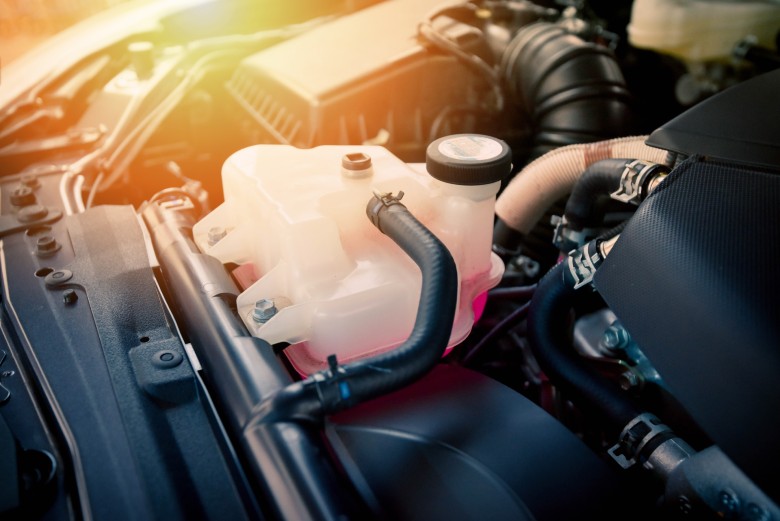
Over time, coolant degrades. If the protective additives break down, the fluid can become acidic and accumulate rust, scale, and other contaminants. Running degraded coolant means the system is no longer receiving the protection it was designed to have — and that gap can quietly cause damage well before anything obvious appears.
What Happens During a Coolant Flush?
The process is more involved than simply opening a drain. Here's how a professional coolant flush typically unfolds:
- A technician evaluates the existing coolant for pH levels, contamination, and freeze protection capacity.
- A professional-grade flush solution is introduced to the system, and the engine is briefly run to loosen accumulated deposits and buildup.
- The old fluid — along with dislodged contaminants — is fully drained from the system.
- The system is flushed with clean water or a neutralizing rinse to clear any remaining residue.
- Fresh coolant, properly mixed at the correct ratio, is added to the system.
- The system is bled to remove trapped air, which — if left behind — can create hot spots and contribute to overheating.
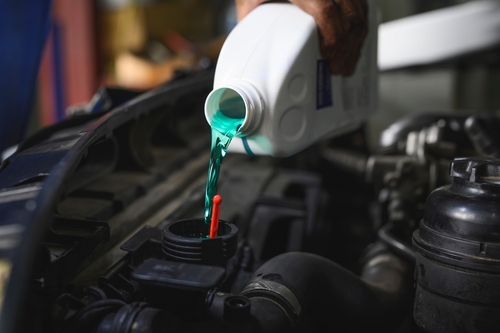
When performed correctly, a coolant flush leaves the entire cooling system clean, properly protected, and prepared to perform at its best regardless of the season.
Signs Your Vehicle May Be Due for a Coolant Flush
Some indicators are straightforward. Others require a closer look. Here are the signs worth paying attention to:
- The temperature gauge is reading higher than normal, or the engine is overheating.
- A sweet, slightly syrupy scent is noticeable near the engine — this often points to coolant reaching surfaces where it shouldn't be.
- The coolant in the reservoir appears rusty, brown, or cloudy rather than a clean, bright color.
- Particles or debris are visible in the coolant reservoir.
- It has been two years or approximately 30,000 miles since the last service — whichever milestone arrived first, depending on your vehicle.

If there's uncertainty about when the last flush was performed, that alone is a reasonable basis for having the system inspected. Coolant doesn't signal when it's no longer doing its job effectively.
The Genuine Benefits of a Coolant Flush
Are coolant flushes necessary? Absolutely — and the reasons go well beyond the service itself.
Fresh coolant keeps the engine operating within its designed temperature range. Overheating remains one of the most common causes of significant engine damage, and a properly maintained cooling system is one of the most effective defenses against it.
Clean coolant also protects the water pump, radiator, hoses, and thermostat from the corrosive effects of degraded fluid. When coolant turns acidic, it begins working against the components it was formulated to protect — a gradual process that often goes unnoticed until a more serious issue develops.
A professional flush also creates an opportunity for a technician to inspect the broader cooling system. A deteriorating hose, a failing pressure cap, or a thermostat that isn't functioning within spec are much easier to address early than after a failure on the road.
Worth noting: the heater core is part of the cooling system. Neglected coolant can affect cabin heating performance just as readily as it affects engine temperature — something that becomes particularly relevant during a Pennsylvania winter.
Coolant Flush vs. Coolant Drain: Understanding the Difference
These two services are often used interchangeably, but they aren't the same — and the distinction matters.
A coolant drain (or drain-and-fill) removes most of the existing fluid and replaces it with fresh coolant. It's a straightforward service, but some old coolant will remain in the passages and heater core. When new fluid is added, it mixes with whatever remains, which can limit its effectiveness from the start.
A coolant flush moves through the entire system. Everything is cleared out, not just partially replaced. For vehicles with higher mileage, visibly degraded fluid, or a long gap since the last service, a flush delivers a more complete and reliable result.
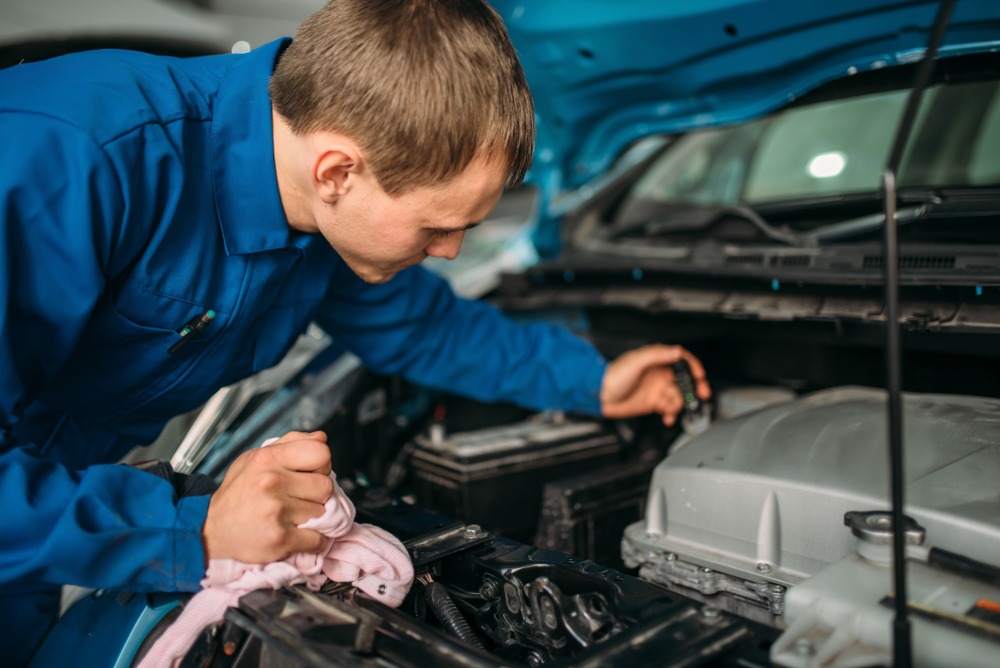
A straightforward way to think about it: a drain-and-fill empties most of the old fluid and adds new fluid. A flush cleans the system first, then refills it. The outcome is meaningfully different.
How Often Should the Coolant Be Flushed?
So, how often should you flush coolant? For most vehicles, the general guidance is every two years or 30,000 miles. That said, extended-life coolant formulas — found in many newer models — can be designed to last up to five years or 150,000 miles. The most reliable reference is always the vehicle's owner's manual, and a service advisor can help clarify what's appropriate for your specific model.
Driving conditions factor in as well. Vehicles that spend significant time in stop-and-go traffic, handle towing, or operate in more demanding temperatures place greater demands on the cooling system. Southwestern Pennsylvania's seasonal extremes are a good reminder that cooling system maintenance isn't just a warm-weather concern.
Protecting Your Investment Starts With the Right Maintenance
Coolant maintenance isn't a highlight of vehicle ownership, but it's one of the services that quietly support everything else. Ignoring it over time can lead to a compromised head gasket, a failing water pump, or radiator damage — each of which would have required far more time and expense than a timely flush.
Our service team at C. Harper Cadillac is here to support your vehicle across every aspect of its maintenance, whether that's a coolant flush, a full cooling system inspection, or simply answering a question about something you've noticed under the hood. Attentive, proactive care is how exceptional vehicles stay that way.
Frequently Asked Questions: Coolant Flush Service
A: Fresh coolant is typically bright and clear — green, orange, pink, or yellow depending on the formula. If the fluid in the reservoir appears brown, cloudy, or contains visible particles, it's time to have the system evaluated. Inexpensive test strips available at most auto parts retailers can also measure pH levels and freeze-protection capacity.
A: Topping off the reservoir addresses a low fluid level but doesn't restore the system's performance. Adding fresh coolant to degraded fluid dilutes the problem rather than resolving it. When the existing coolant is discolored or well past its service interval, a flush is the appropriate course of action.
A: Over time, degraded coolant loses its ability to regulate temperature and protect against corrosion. The result can be a clogged radiator, water pump failure, thermostat damage, or — in more severe cases — a compromised head gasket. These are significantly more involved repairs than a routine flush, which is precisely why consistent maintenance matters.
A: In most cases, yes — though it's worth having a technician assess the system beforehand. On vehicles with significant mileage and long-neglected coolant, a flush can occasionally reveal pre-existing issues that were being masked by accumulated buildup. Identifying those concerns early is a benefit, not a drawback.
A: Indirectly, it can. An engine operating within its designed temperature range tends to run more efficiently. When the cooling system is neglected, and the engine runs outside that range — whether too hot or not reaching optimal operating temperature — it can affect combustion efficiency and, in turn, fuel consumption over time.

While great effort is made to ensure the accuracy of the information on this site, errors can occur with model descriptions, pricing etc. Not responsible for typographical errors, The Manufacturer’s Suggested Retail Price excludes taxes, title, license, dealer fees and optional equipment. Dealer sets final price. All vehicles are subject to prior sale. Please verify all information with customer service. This is easily done by calling us at 724-929-8000 or by visiting the dealership. Displayed MPG is based on applicable EPA mileage ratings. Use for comparison purposes only. Your actual mileage will vary, depending on how you drive and maintain your vehicle, driving conditions, battery pack age/condition (hybrid models only) and other factors. For additional information about EPA ratings, visit www.fueleconomy.gov
No mobile information will be shared with third parties/affiliates for marketing/promotional purposes. All the above categories exclude text messaging originator opt in data and consent; this information will not be shared with any third parties. Standard msg & data rates may apply.